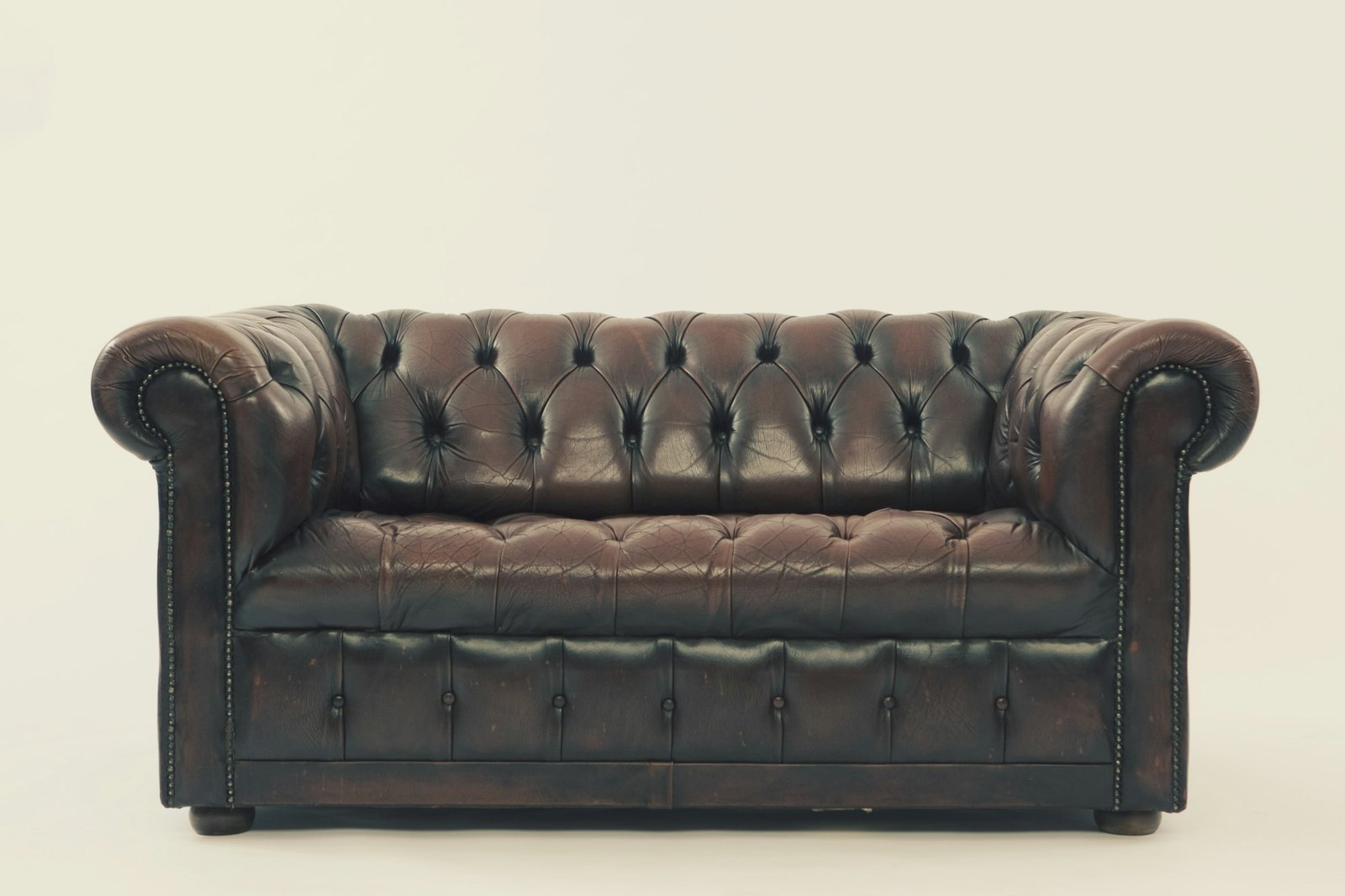
A leather sofa can look beautiful for years — as long as you look after it properly. Leather is a living material: it absorbs moisture, dries out with the wrong treatment, and can crack or discolour as a result. Products and techniques that work fine on fabric upholstery can actually damage leather. Here’s how to do it right.
What you’ll need
- A soft, dry cloth — such as our Microfibre Cloths, which won’t scratch the leather surface
- A pH-neutral leather cleaner or a very mild soap solution
- A suitable leather conditioner or nourishing cream
- A soft brush or vacuum with an upholstery attachment for dusting
Step by step
- Dust it off first. Wipe the sofa down with a dry, soft cloth or gently vacuum it with an upholstery attachment. Dust particles act like sandpaper once you start cleaning, so this step prevents unnecessary scratches.
- Always test on an inconspicuous spot first — the underside or back of the sofa, for example — before using any new product on the whole surface.
- Clean with a lightly dampened cloth and a mild soap solution. Blot gently, don’t scrub too hard, and make sure the leather doesn’t get soaked — leather absorbs moisture and can warp or discolour as a result.
- Dry it immediately with a soft, dry cloth. Never let leather air dry on its own, and especially not in direct sun or near a heater — that dramatically speeds up drying out.
- Nourish the leather regularly. Apply a suitable leather conditioner every 6 to 12 months. This keeps the material supple and prevents it from cracking or becoming brittle over time.
- Avoid direct sunlight and heat sources near where the sofa stands — over the long term, that’s the biggest cause of discolouration and cracking in leather.
A note of caution
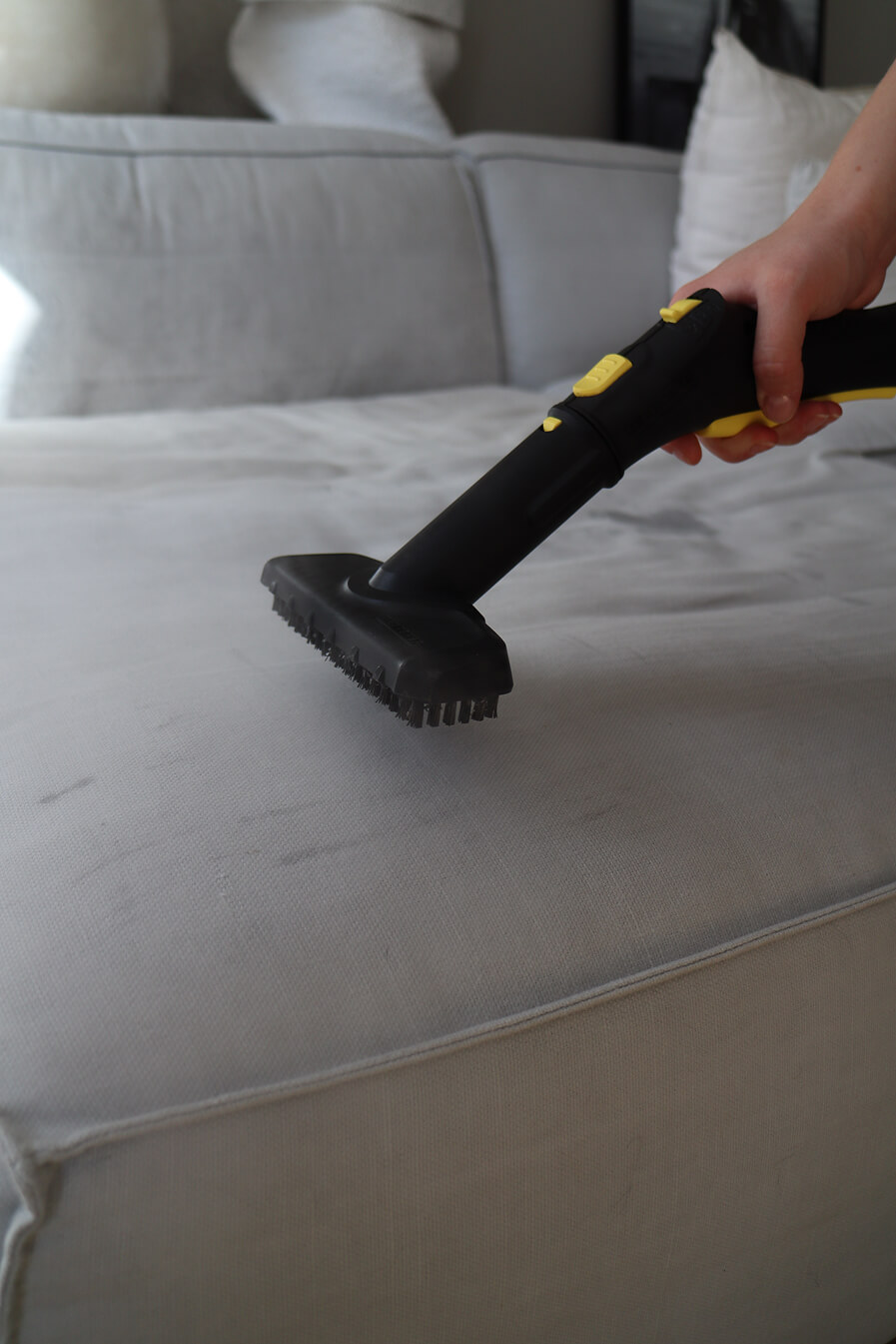
Never use an all-purpose cleaner, vinegar, alcohol or other harsh chemical products on leather. They attack the protective coating and can cause permanent discolouration or cracking. Steam cleaning is also best avoided on most leather types — if in doubt, check what kind of leather you have, since pigmented, aniline and nubuck leather each need a slightly different approach.
When should you call in a professional?
For deep stains, aged or already-brittle leather, or simply for a thorough annual maintenance treatment, professional help is the safest choice. Our furniture cleaning and impregnation treatment services also work on leather and help keep your sofa looking great and supple for longer.